Don't Be Enticed By These “Trends” About Double Glazing For Noise Reduction
Double Glazing for Noise Reduction: A Comprehensive Guide
Double glazing, often related to energy efficiency and temperature level regulation, likewise serves an important function in sound reduction. In an age where urban living is defined by increasing sound pollution, many individuals are turning to double-glazed windows as a solution. This article checks out how double glazing works for sound decrease, its advantages, types, and typical concerns concerning its setup and efficacy.
Understanding Double Glazing
Double glazing involves the installation of two panes of glass in a window frame, separated by a space filled with air or gas. This style assists to develop a barrier that lessens sound transmission. Here's an introduction of how it operates:
1. Sound Insulation Properties: The air or gas between the panes acts as an insulating barrier that dampens sound waves.
2. Density Variation: The usage of various densities of glass can help in decreasing sound as thicker glass can attenuate more sound than thinner alternatives.
3. Frame Material: The product of the window frame likewise adds to its soundproofing effectiveness. Frames made from products like vinyl or fiberglass tend to provide better insulation.
Advantages of Double Glazing for Noise Reduction
Buying double glazing deals numerous advantages, particularly for those living in noisy environments:
1. Lowered Noise Pollution
Double glazing significantly lowers external noise, making living in hectic city locations more comfy.
2. Enhanced Comfort
People residing in loud communities frequently find that double-glazed windows enhance their convenience levels by supplying a quieter indoor environment.
3. Much Better Sleep Quality
A reduction in ambient noise can lead to enhanced sleep quality, as disruptions from outdoors are decreased.
4. Increased Property Value
Houses geared up with double glazing are typically more enticing to buyers. Noise decrease is an important feature that can boost residential or commercial property worth.
5. Energy Efficiency
While the primary focus here is noise decrease, double glazing also contributes to better thermal insulation, resulting in lower energy costs.
Types of Double Glazing
There are numerous types of double-glazed windows readily available, each offering differing levels of sound insulation.
Type
Description
Noise Reduction Level
Basic Double Glazing
2 panes of glass with a spacer bar filled with air or Argon gas, ideal for typical sound decrease.
Moderate
Acoustic Double Glazing
Specifically developed with differing pane thicknesses for boosted noise insulation.
High
Laminated Double Glazing
This type includes a layer of PVB (polyvinyl butyral) that offers remarkable sound reduction in addition to additional security.
Very High
Triple Glazing
Three panes of glass rather of two, even more enhancing noise and thermal insulation.
Really High
Aspects Influencing Noise Reduction
When picking double glazing for sound decrease, several factors do come into play:
- Glass Thickness: Thicker glass can considerably decrease greater frequency sounds.
- Pane Spacing: A wider gap in between panes may enhance sound insulation.
- Frame Material: Materials like aluminum might perform sound more than wood or vinyl.
- Sealing Quality: Well-sealed windows avoid sound leakages.
Installation of Double Glazing
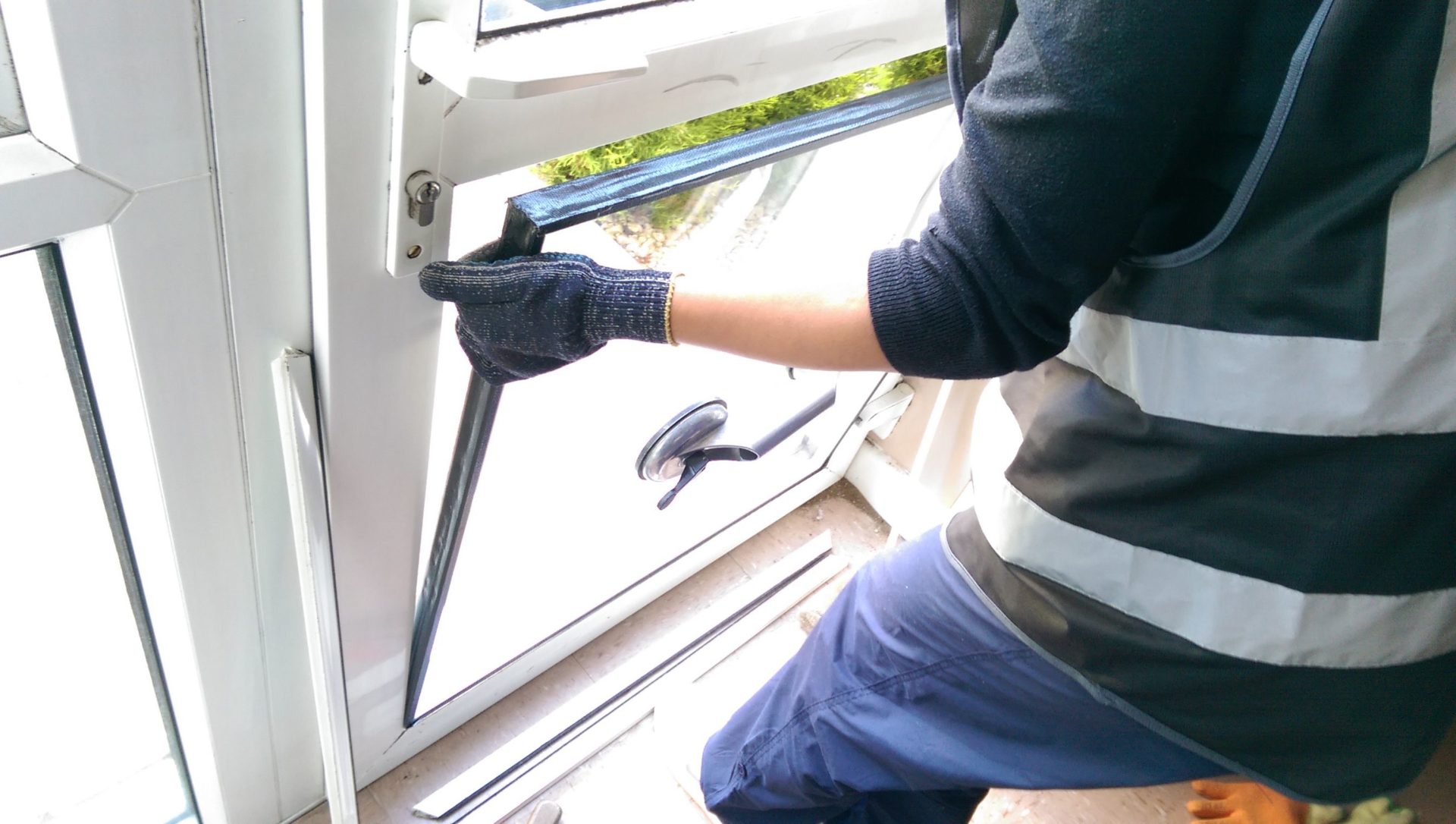
The effectiveness of double glazing in reducing noise is heavily dependent on correct installation. Here are the steps typically involved in the setup procedure:
- Assessment: An expert evaluates the current window scenario and identifies the best double glazing options.
- Choice: Choose the suitable type based upon personal needs and ecological aspects.
- Removal of Existing Windows: Careful elimination of old windows to guarantee the structure is sound.
- Installation of Frames: Secure setup of double-glazed systems into the existing frame.
- Sealing: Ensuring all gaps are sealed correctly to prevent sound leakage.
- Final Inspection: A last check to validate that installation satisfies quality requirements.
Often Asked Questions (FAQs)
Q1: How much sound can double-glazed windows decrease?A: Double-glazed windows can reduce sound by about 28 to 32 decibels, making a significant distinction in sound quality.
Q2: Is acoustic double glazing worth the investment?A: For people residing in particularly loud locations, the investment in acoustic double glazing can provide considerable advantages in convenience and well-being.
Q3: Can I install double glazing myself?A: While DIY installation is possible for those with experience, working with experts is recommended for optimal sealing and effectiveness.
Q4: How does double glazing compare with other soundproofing methods?A: While double glazing is efficient, integrating it with other soundproofing methods, such as soundproof curtains, can yield even much better outcomes.
Q5: Will my energy costs decrease with double glazing?A: Yes, double glazing usually enhances thermal insulation, leading to lowered energy expenses.
Double glazing is not merely a financial investment in energy efficiency; it is a useful solution for those looking for break from sound pollution. With a range of alternatives and advantages, it can considerably enhance living conditions, especially in metropolitan settings. local double glazing installers are motivated to consider their particular needs and speak with specialists to pick the very best type of double glazing for their scenario. In a world where peace and quiet can feel like a luxury, double glazing offers a meaningful way of reclaiming convenience in one's home.